BlockFi Login – The Complete 2025 Guide to Access, History, Security, and What Users Need to Know
BlockFi was once a prominent name in the cryptocurrency lending and financial services space, known for offering interest‑bearing accounts, crypto‑backed loans, and a web platform where users could log in to manage digital assets, view balances, earn interest, and access financial tools. However, the platform’s status and login relevance have changed dramatically over time due to financial issues, bankruptcy, and eventual shutdown. This guide explains how BlockFi login worked, what has happened to the service, current status, security considerations, and steps users may still need to take — all without linking to external domains.
Understanding BlockFi: What It Was
Originally founded in 2017, BlockFi operated as a digital asset lender based in the United States. It gained attention for allowing users to earn interest on Bitcoin, Ethereum, and stablecoin holdings by depositing assets into BlockFi Interest Accounts. Users could also borrow USD against crypto collateral without selling their tokens. BlockFi combined aspects of traditional finance — like interest‑bearing accounts — with cryptocurrency assets, attracting both retail and institutional investors interested in yield and liquidity.
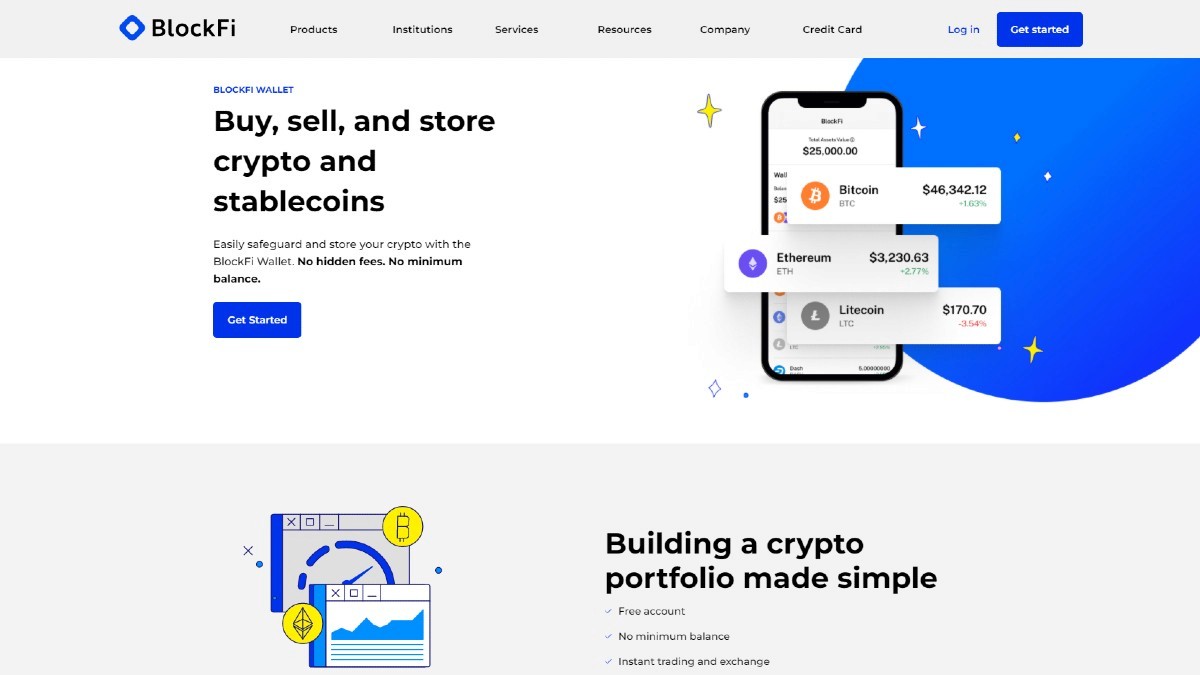
BlockFi offered a web platform and mobile apps where users could log in using their credentials to manage accounts, check earnings, and make transactions. Login was secured through email, password, and optional two‑factor authentication (2FA), which added an extra layer of protection against unauthorized access.
However, over time, the platform’s fortunes changed. In November 2022, BlockFi filed for Chapter 11 bankruptcy protection after suffering significant financial stress, partly due to exposure to the collapsed crypto exchange FTX. As part of restructuring, the platform paused withdrawals and eventually moved toward shutting down its web services. Cointelegraph+1
The Shutdown of BlockFi’s Login and Web Platform
Although BlockFi login was once an active gateway for users to access their crypto interest accounts, manage loans, and interact with the BlockFi ecosystem, that functionality is no longer operational. The company’s official web platform was shut down in May 2024, and as a result, logging in to a live BlockFi dashboard is no longer possible. Users were encouraged to download transaction histories, tax records, and other important data from their accounts before the shutdown date. Coinlive
At the time of the shutdown, BlockFi announced a partnership with another industry entity to facilitate distribution of assets to eligible users based on legal and bankruptcy proceedings. Users who had funds in BlockFi were informed to take action before the platform closed, as after the shutdown they could no longer access their accounts through the original login portal. Cointelegraph
This means that in 2025 and beyond, attempting to use previous login credentials — such as your email and password — on the old BlockFi login page will not grant access to account dashboards, balances, or financial tools as it once did.
Why BlockFi Shut Down and What It Means
BlockFi’s decline was tied closely to turbulence in the broader cryptocurrency market, especially the collapse of FTX in late 2022. BlockFi had significant exposure to FTX, including financial arrangements with the exchange. When FTX collapsed, it triggered a liquidity crisis that ultimately forced BlockFi to halt withdrawals and file for bankruptcy protection. Cointelegraph
Following its bankruptcy, regulators took action, including permanently revoking BlockFi’s lending license in certain jurisdictions due to regulatory violations discovered during examinations. This revocation signaled the end of the company’s ability to operate as a licensed lender. FinanceFeeds
After emerging from bankruptcy, BlockFi moved to wind down all operations, returning assets where feasible and working with other entities to distribute customer funds as part of legal and restructuring processes — not through traditional login access.
What “Login” Means Today
With the BlockFi web platform shut down, the meaning of BlockFi login in 2025 is fundamentally different from what it once was:
1. Historical Access
In the past, login meant entering your BlockFi email and password on the official platform, completing any two‑factor authentication, and entering a secure dashboard where you could manage your holdings and financial products.
2. No Active Platform
Today, the ability to log in and manage live accounts has been deactivated. The platform does not function as an active service provider, and the login portal no longer serves its original purpose.
3. Claims and Distributions
For users who had funds in BlockFi prior to shutdown, login no longer serves to access accounts. Instead, any remaining interactions are handled through third‑party administrators, legal representatives, or asset distribution partners as outlined by bankruptcy proceedings. Users may receive communications via email or official announcements about how to submit claims, verify identity, or receive asset distributions according to legal timelines.
4. Phishing and Scam Awareness
Because BlockFi no longer operates normally, fraudulent websites and phishing attempts may use BlockFi branding or fake login pages to trick users into entering credentials or connecting wallets. It is critical never to enter your old login emails or passwords on unofficial sites or links that claim to restore access. These are often scams seeking to steal sensitive data or assets. blokiifye-x-sso--authes.framer.wiki
How BlockFi Login Used to Work
When BlockFi was operational, logging into the platform typically involved the following steps:
Visit the Official Login Page: Users navigated to the platform’s login portal via a secure HTTPS connection.
Enter Registered Email: The email address associated with the BlockFi account was required.
Input Password: A secure password created during signup was entered.
Complete Two‑Factor Authentication: Users with 2FA enabled received an additional code via SMS, authenticator apps, or email to verify their identity.
Access Dashboard: Once authenticated, users could view account balances, earnings, loan details, and transaction history.
These combined layers of security helped ensure account security while providing convenient access to financial tools. blockfie.framer.ai
Security Features That Supported BlockFi Login
While the platform was active, various security features were in place to protect user access:
Two‑Factor Authentication (2FA): This added an additional verification layer to prevent unauthorized access even if a password was compromised.
Encrypted Sessions: Login sessions were encrypted to protect data transmitted between the user’s device and the platform.
Suspicious Activity Alerts: Unusual login attempts triggered alerts to notify users of potential unauthorized access.
Account Recovery Options: Features such as password reset links via email helped users regain access if they forgot their credentials. blockfie.framer.ai
Although these systems once enhanced safety for users, they no longer apply now that the platform has ceased normal operations.
What Former Users Should Do Now
Even though BlockFi login no longer functions for live account access, former users may still have responsibilities or opportunities related to their past holdings:
1. Retrieve Important Records
Users are encouraged to keep copies of transaction histories, tax forms, and other important financial documentation downloaded before the platform’s closure. These records may be necessary for tax reporting, audits, or personal finance tracking.
2. Watch for Official Communications
If you were a BlockFi user and have outstanding claims due to liquidation or bankruptcy distributions, stay alert for official communications from administrators or legal representatives handling the process. Read these communications carefully and follow verified instructions for submitting claims or verifying identity when required.
3. Avoid Phishing and Fake Login Sites
With the platform offline, fraudsters may attempt to mimic BlockFi login screens to capture sensitive information. Be extremely cautious about links claiming to provide access to old accounts or assets. Only rely on official notifications from administrators involved in legal proceedings.
4. Understand Legal Processes
BlockFi’s shutdown has involved legal processes like Chapter 11 proceedings and asset distribution plans. If you are part of these proceedings, engage with them thoughtfully and, if needed, consult legal or financial advisors to understand your rights and options as a creditor or claim holder.
Lessons from BlockFi’s Shutdown
The closure of BlockFi and the deactivation of its login functionality highlight several broader lessons for cryptocurrency users:
Self‑Custody Matters
When platforms hold your crypto in custodial accounts, you rely on their solvency and operational integrity. Users often find that not your keys, not your coins remains a fundamental principle: if you control your own private keys, you avoid risks associated with centralized custodians.
Regulatory Risks
Platforms operating in financial services must comply with regulatory frameworks. BlockFi’s license revocation and bankruptcy illustrate that even well‑known companies can face compliance challenges impacting users. FinanceFeeds
Secure Practices Are Essential
Using strong passwords, enabling multi‑factor authentication, and being aware of phishing threats are essential, whether for active platforms or when navigating legacy services like BlockFi’s shutdown process.
Conclusion
The term BlockFi login once meant secure access to a dynamic crypto financial platform where users could manage assets, earn interest, and borrow against holdings. However, the evolution of BlockFi through financial upheaval, bankruptcy, and platform closure means that traditional login access no longer exists.
For users who once relied on BlockFi, the focus now is on understanding how to handle legacy financial data, participate in legal distribution processes if eligible, and protect themselves from phishing attempts that misuse the old login concept.
While BlockFi’s operational chapter has closed, the lessons from its rise and fall remain relevant for anyone participating in cryptocurrency markets — especially the importance of security, regulatory understanding, and control over one’s own digital assets.